
Factories, warehouses, and large industries are changing fast. Machines are no longer just doing work. They are also sending information. This information helps businesses understand what is happening inside their operations.
But here is the problem. Many systems today only collect data. They do not act on it quickly. This creates delays, waste, and sometimes even danger.
To fix this, industries need systems that can both communicate and think at the same time. This is where LoRa & LoRaWAN and NVIDIA come together to create something powerful.
What is Industrial IoT in the simplest way
Industrial IoT means using smart devices in industries to collect and use data.
For example
- A machine can tell how hot it is
- A motor can tell if it is shaking too much
- A warehouse can track where goods are stored
All of this helps businesses make better decisions.
But if the system only sends data and waits for instructions, it is slow. Industries need fast decisions, not delayed responses.
Understanding LoRa & LoRaWAN in industries
LoRa is a way for devices to send data over long distances using very little power. LoRaWAN is the network that connects all these devices together. In industries, this is very useful because machines and sensors are often spread across large areas.
For example
- A factory floor
- A mining site
- An oil field
Using LoRa & LoRaWAN, sensors can send data without needing WiFi or heavy wiring. They can run for years on small batteries. This makes it easy and cost effective to monitor everything.
The limitation of traditional systems
Even though LoRa & LoRaWAN are great at sending data, they do not make decisions. Most systems send data to the cloud. Then the cloud processes it and sends back instructions.
This creates three big problems.
First problem is delay
The system takes time to respond
Second problem is dependency
If internet fails, the system stops working
Third problem is overload
Too much data is sent, even when it is not useful
Industries cannot afford these issues. They need systems that can act instantly.
How NVIDIA changes the game
NVIDIA builds powerful computing devices that can process data very fast. These devices can be placed close to machines and sensors. This means data does not have to travel far. Instead of sending everything to the cloud, the system can understand the data right there. This allows industries to take action immediately.
For example
- If a machine starts overheating, the system can shut it down instantly
- If a conveyor belt has an issue, it can stop before damage happens
This makes operations safer and smarter.
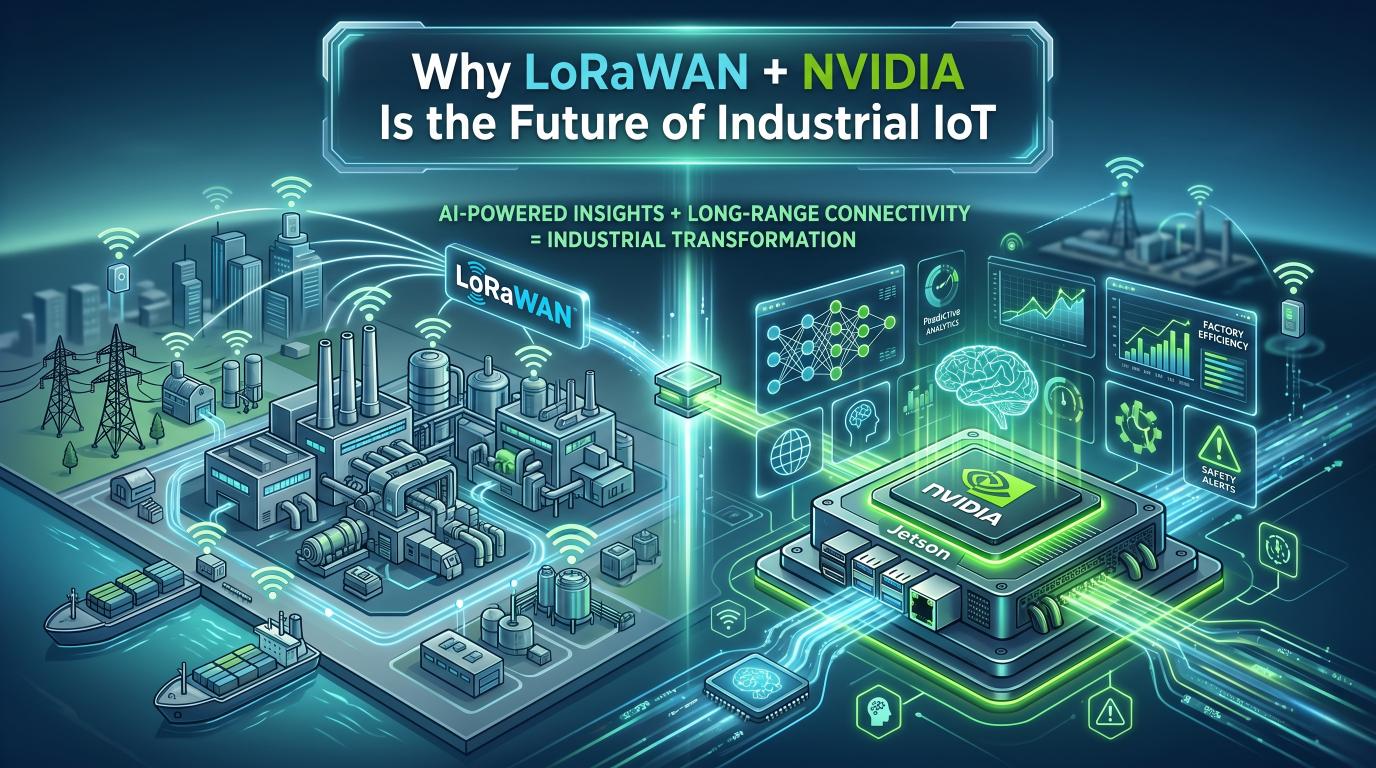
Why this combination works perfectly
When LoRa & LoRaWAN and NVIDIA are used together, they solve each other’s problems.
LoRa handles communication
NVIDIA handles understanding
This creates a complete system.
- Sensors send data through LoRa
- The network collects it
- NVIDIA processes it instantly
- The system takes action
There is no waiting. There is no unnecessary delay.
Real time monitoring and quick action
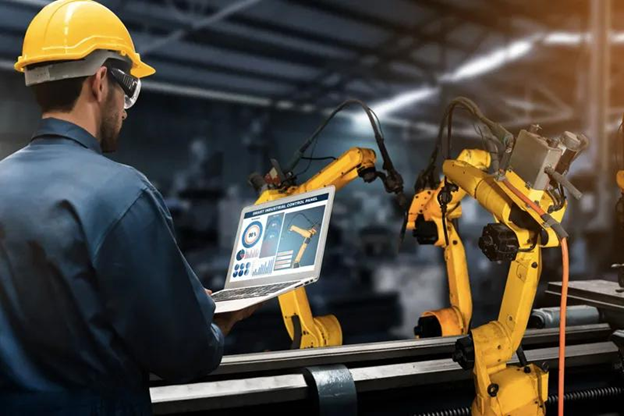
One of the biggest benefits of this setup is real time monitoring. Industries can see what is happening at every moment. More importantly, they can act at the right time. This helps in predictive maintenance. This means fixing machines before they break. Instead of waiting for a failure, the system detects early signs and alerts the team. This saves money and prevents downtime.
Saving energy and reducing costs
Industries spend a lot on power and maintenance.
LoRa & LoRaWAN devices use very little energy. This means sensors can run longer without needing replacements.
At the same time, NVIDIA devices make sure only useful data is processed and acted upon.
This reduces unnecessary operations.
For example
- Machines are used only when needed
- Energy is saved during idle times
- Maintenance happens only when required
- All of this leads to lower costs.
Working even without internet
One major advantage of this system is independence. Since NVIDIA devices process data locally, the system does not always need internet. This is very useful in remote areas like mines, farms, or offshore sites. Even if the connection is lost, the system continues to work. This ensures safety and reliability.
Real world example for better understanding
Imagine a factory with many machines. Sensors are placed on each machine to monitor temperature and vibration.
These sensors send data using LoRa. The gateway collects the data and passes it to a nearby NVIDIA device.
Now the system becomes smart. If a machine shows unusual vibration, the system understands that it may fail soon. It sends an alert and slows down the machine. This prevents damage and avoids expensive repairs. The system is not just watching. It is protecting.
The future of industrial systems
Industries are moving towards automation and smarter operations. They want systems that can manage themselves with minimal human effort. This is only possible when communication and intelligence work together. LoRa & LoRaWAN make sure data flows smoothly across large areas. NVIDIA ensures that this data is understood and used instantly.
Together, they create systems that are fast, reliable, and efficient.
Final thoughts
Industrial IoT is not just about collecting data anymore. It is about using that data in the right way at the right time. A system that only sends data is incomplete. But when LoRa & LoRaWAN are combined with NVIDIA, industries get a complete solution. They can monitor, understand, and act without delay. This is why this combination is not just useful. It is the future of Industrial IoT.